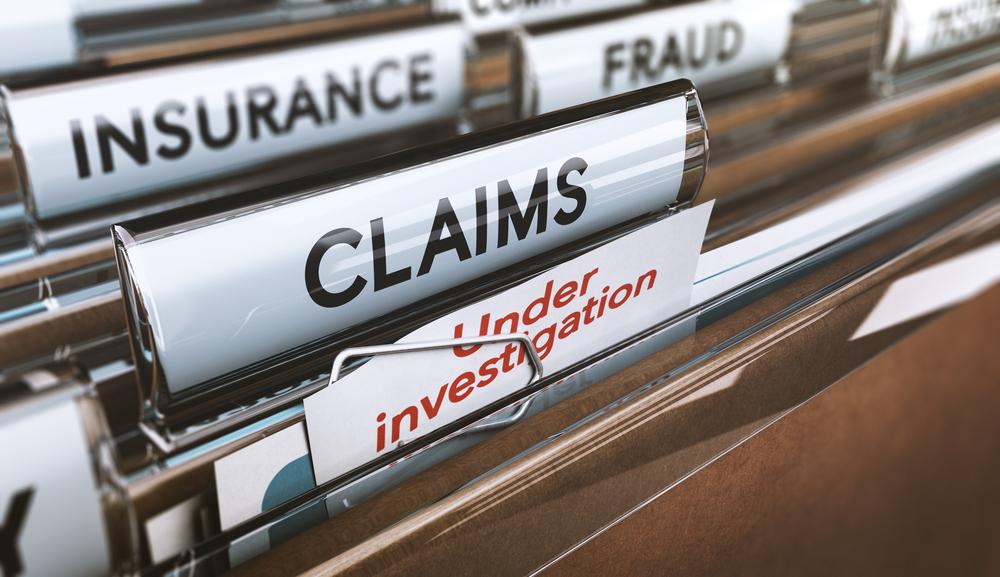
When Medical Certificates Don't Match Reality: An Insurance Claims Investigation Case Study
“Crash‑for‑cash” schemes and document‑driven claims aren’t just a highway problem — they can appear in workplaces, clinics, and sometimes disturbingly close to home. In a recent insurance claims investigation, our surveillance team uncovered a worrying pattern: several claimants relied on medical certificates from the same private practitioner, yet moved through everyday life with a level of ease that conflicted with their paperwork. That mismatch — between what was written and what we saw — suggested something more than honest error and exposed weaknesses in the claims process.
This case demonstrates why thorough insurance claims investigation is essential for detecting insurance fraud and protecting the integrity of Hong Kong’s compensation system.
The Mum on the School Run
A few years ago a local law firm asked us to conduct surveillance on a female driver pursuing substantial compensation for physical and psychological injuries following a traffic collision. The file described a leg injury and post‑traumatic stress (PTSD) that, the claimant said, prevented her from driving 4–7‑seater vehicles. She presented as a middle‑aged, full‑time mother of two young children who relied on her car for daily care and school runs — a personal story that, if accurate, would explain significant disruption and distress.
Because her daily routine was predictable — school runs, shopping and family life — we had a clear framework for observation. Where a claimant’s life follows a pattern, deviations or confirmations of incapacity are easier to document. In addition, we noted that the same treating physician had appeared in unrelated files, which had previously served as a useful flag for further enquiry.
Field Surveillance Observations
Over several days we observed the claimant at times when her medical certificates indicated significant restrictions. On a number of occasions she travelled with her husband to drop the children at school, helped with schoolbags and lunchboxes, walked up steps and through the school gate, and interacted with family members in a relaxed, natural way. On other days she attended social gatherings and did grocery shopping without obvious difficulty. Across our observations she negotiated stairs, carried bags and moved unaided in public — activity that did not sit comfortably with the severe functional limitations described in her documentation. Taken together, her unguarded expressions, routine tasks and normal interactions prompted further investigation into the treating clinician and the supporting paperwork.
For insurers and employers, this type of personal injury investigation reveals the critical gap between documented claims and actual capability – a gap that professional insurance claims investigation is designed to close.
Watch: Surveillance in Action
News investigations have captured how claimants caught on film contradict their own medical documentation. See how surveillance exposes fraudulent claims:
Assessing the Clinician
To establish whether the clinician routinely issued corroborative certificates without proper assessment, we arranged a controlled test visit. An investigator presented a fabricated history of a stair fall and described a persistent fear of stairs. After a brief consultation the clinician prescribed short‑term medication, issued an initial certificate, and scheduled a follow‑up — for a combined fee of over HK$7,000.
The outcome was striking: the clinician did not carry out a detailed mental‑state or functional assessment before providing documentation that could support a work‑injury claim. This encounter, alongside our surveillance, pointed to systemic weaknesses rather than isolated inconsistencies.

Red Flags for Insurance Fraud
This case highlights several patterns that should raise concerns for any insurance claims investigation team:
- Inflated or fabricated medical reporting: The private doctor may have issued certificates without sufficient clinical basis or in reliance on incomplete histories supplied by claimants or intermediaries.
- Coordinated referral networks: Law firms or intermediaries can channel claimants to a particular practitioner to secure consistent documentation. Assistance can cross into unethical or unlawful practice when documentation is exaggerated or manufactured.
When these patterns emerge, a professional insurance fraud investigation becomes essential to separate legitimate claims from fabricated ones.
What this Means for Hong Kong Employers and Insurers
The gap between medical certificates and real‑world footage revealed a pattern that reached beyond individual exaggeration — exposing vulnerabilities in referral networks, document integrity and clinical practice. For insurers and employers in Hong Kong, the implication is clear:
- Adopt robust verification procedures – Don’t rely solely on documentation. Physical surveillance and independent verification are critical tools.
- Use lawful and proportionate investigative techniques — Professional investigators operate within Hong Kong’s legal framework, ensuring evidence is admissible.
- Work closely with legal and medical experts — A multidisciplinary approach strengthens your position when defending disputed claims.
Field surveillance, when conducted professionally and within the law, remains an important tool to reconcile paperwork with observed function and to protect the integrity of the compensation system. For employee compensation claims and traffic accident investigations, this approach is particularly effective.

Covert Assessments for Clear Evidence
If you need authentic, primary evidence, discreet field surveillance can be tailored to your objectives:
- Controlled mystery‑guest visits to test frontline practices
- Undercover attendance at workshops to assess a subject’s reported mental state and mobility
- Other compliant investigative measures designed to produce actionable findings.
At Herald, we specialize in insurance claims investigation that helps insurers, law firms, and employers separate genuine claims from fraud. Our experienced investigators are trained to conduct stakeouts, surveillance, and background checks that provide the evidence you need to make informed decisions.
Contact our team to discuss a discreet, legally compliant approach that fits your case.
Further Viewing
Interested in more? Explore these real-life cases on insurance fraud investigations:
- https://youtu.be/bVbB3ekeHCQ?si=lXHJAnviPJr5029X
- https://youtu.be/YfQ7A9uaivo?si=WjHiKrcFBM1_X2ux
- https://youtu.be/72CtOB6UI_I?si=h6jc7D26AWcCyaJi
- https://youtu.be/TkXHj93iJQ4?si=VsPm4xD1OrLJbeM8
- https://youtu.be/u71WX3bu7ZU?si=EzUgQZDWTglN0wps